-
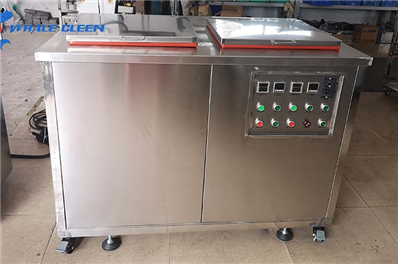 Ultrasonic Cleaning Machine for Batch Sensor Housings: How Whale cleen Prevents Scratches
Batch cleaning sensor housings is one of the most demanding tasks in precision manufacturing. These components often feature machined surfaces, threaded ports, blind holes, and tight tolerances. Contaminants such as cutting oil, metal fines, polishing res
-
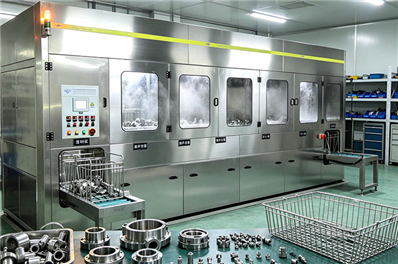 Industrial Ultrasonic Cleaning Machine: The Complete Solution for Manufacturing Precision Parts
In modern manufacturing, surface cleanliness is not merely an aesthetic consideration—it is a critical factor that directly impacts product performance, coating adhesion, and overall production yield. From automotive engine components and transmission par
-
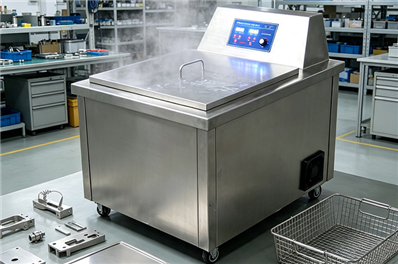 Ultrasonic Cleaning Machine: How Powerful Is It Really? A Shocking Test in Hardware Electroplating Pretreatment
If you have ever walked through a hardware electroplating line, you have seen the frustration firsthand. Parts come out of the bath with patches of peeling plating. Edges look dull. Blind holes show signs of uneven coverage. The plating bath chemistry is
-
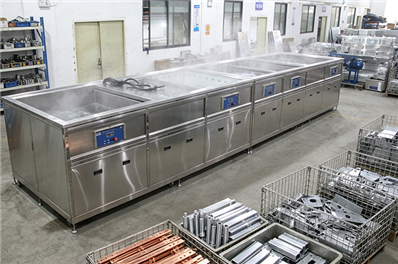 Ultrasonic Cleaning Machine for Shaft Parts: A Specialized Solution for Precision Components
In mechanical manufacturing and heavy industry, shaft parts—such as transmission shafts, motor rotors, hydraulic piston rods, and bearing rollers—are fundamental components that demand the highest standards of cleanliness. These precision-machined parts o
-
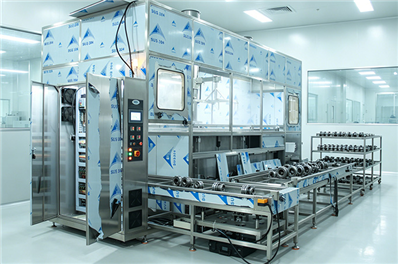 Thread Tap Residue Ruining Precision? How Ultrasonic Cleaning Eliminates Cutting Paste Without Damaging Thread Accuracy
In precision machining, few operations are as demanding as thread tapping. The cutting paste—a thick blend of lubricants, extreme-pressure additives, and fine abrasive particles—is essential for protecting taps and achieving clean thread profiles. But aft
-
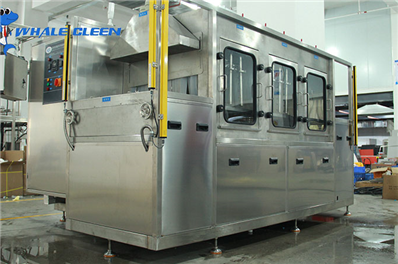 Why Is Ultrasonic Cleaning the Preferred Choice for Silicon Wafer Cleaning?
In semiconductor manufacturing, a single microscopic particle clinging to a silicon wafer surface can turn a high-value chip into scrap. As device geometries continue to shrink toward single-digit nanometer nodes, the tolerance for contamination has becom
-
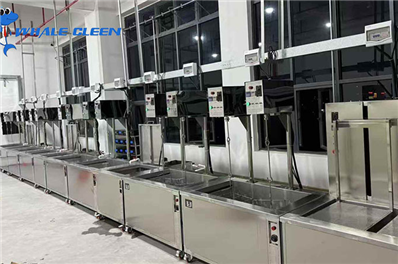 Vacuum Coating Pre-Cleaning: Dedicated Ultrasonic Cleaning Machines – A Head-to-Head Brand Comparison
In vacuum coating processes such as PVD (Physical Vapor Deposition) and CVD (Chemical Vapor Deposition), the quality of the final coating is directly determined by the cleanliness of the substrate. A single speck of oil, a microscopic particle, or a resid
-
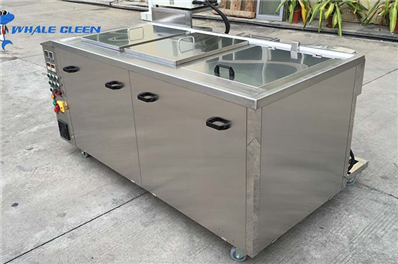 Why Did It Rust After Ultrasonic Cleaning? The Causes and Prevention Guide
You carefully place your metal items into the ultrasonic cleaner, expecting them to come out sparkling clean. Instead, you find unsightly orange or brown spots—rust. It's a frustrating and confusing experience.Why did it rust after ultrasonic cleaning
-
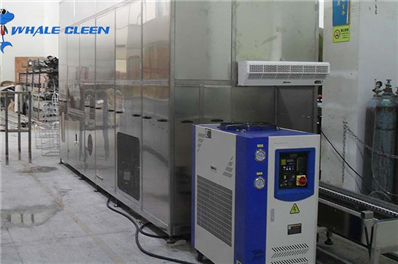 Why Ultrasonic Cleaners Remove Paint? The Science Behind Paint Stripping & Prevention Tips
When using an ultrasonic cleaner for the first time, many users are shocked to find that painted surfaces emerge stripped or damaged. This raises an important question: why do ultrasonic cleaners remove paint, and how can you prevent it? Understanding the
-
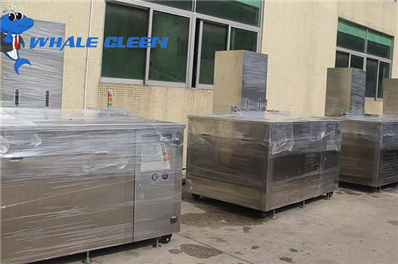 How to Prevent Rust After Ultrasonic Cleaning: 5 Scientifically Proven Protection Methods
Proper rust prevention after ultrasonic cleaning is crucial for metal parts longevity. This guide covers industrial-grade passivation techniques, eco-friendly sealants, and cutting-edge nano-coatings to create durable anti-corrosion barriers while maintai
-
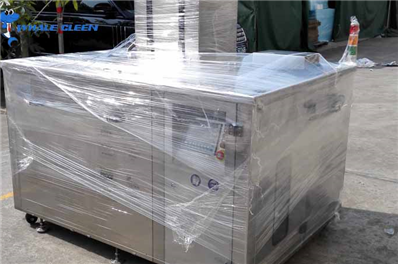 How to Clean a Gold Ring with an Ultrasonic Cleaner: Step-by-Step Guide & Precautions
Article Content: 1. Introduction to Ultrasonic Cleaning for Gold Rings Ultrasonic cleaners use high-frequency sound waves to remove dirt and grime from jewelry. While effective, improper use can damage delicate gold rings or gemstones. Follow these
-
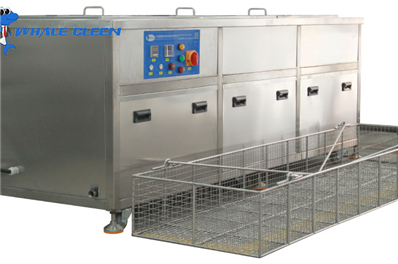 Why Do Ultrasonic Cleaners Cause Rust? Key Reasons and Prevention Strategies
Ultrasonic cleaners are widely used in industrial and precision cleaning due to their ability to remove contaminants from complex surfaces. However, users often encounter rust formation on processed metal parts, especially at the bottom. This article expl